


لماذا تبقى الكتب الورقية خياراً أفضل من الشاشات الرقمية للتعلم العميق؟
تساعد الكتب الورقية على عزل القارئ عن العالم الخارجي وخلق تجربة غامرة، بينما تتيح الهواتف الذكية والأجهزة اللوحية الانتقال بين قراءة النصوص والرسائل وتصفح مواقع التواصل الاجتماعي واستخدام التطبيقات المختلفة.
-
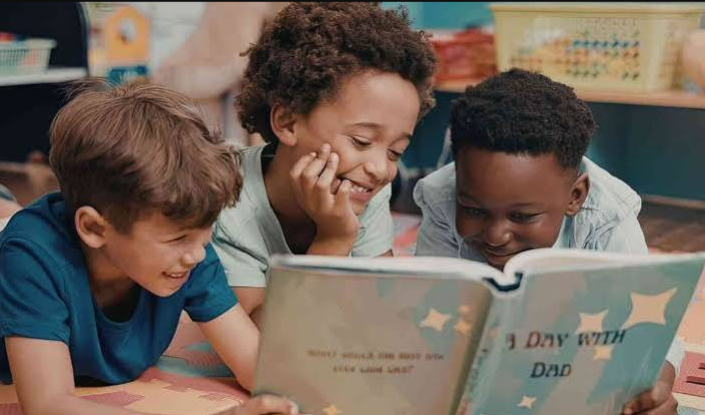
لماذا تبقى الكتب الورقية خياراً أفضل من الشاشات الرقمية للتعلم العميق؟
أفاد البروفيسور ميخائيل كورياكين، بأنّ الكتب الورقية مرتفعة الثمن، لكن التكلفة الإضافية تستحق العناء في هذه الحالة تحديداً، موضحاً أسباب تفوق القراءة من الورق من حيث الفائدة.
يقول كورياكين: "لا يتعلق الأمر بسحر الكتاب، بقدر ما يرتبط بكيفية معالجة الدماغ للمعلومات ومدى تأثره بالمشتتات في البيئة الرقمية"، مشيراً إلى أنه "ورغم أنّ التحليلات الشاملة لم تجد فروقاً كبيرة في فهم النصوص بين القراءة من الشاشة والقراءة من الورق، فإنّ الفارق يظهر عند الحاجة إلى الفهم العميق واستيعاب المعلومات المعقدة". لذلك، لا ينبغي أن ينحصر السؤال في المقارنة بين الورق والشاشة عموماً، بل في كيفية تأثير كل منهما في قراءة النصوص المعقدة.
Technology undeniably has a place in modern education, yet research consistently shows that reading on paper is still the best way to support lasting learning and academic success. As digital devices replace traditional textbooks, neuroscience reveals that the medium itself, not just the content, profoundly shapes how our brains process, retain, and synthesize information. When we swap physical pages for pixels, we alter cognitive processing, often at the expense of depth and comprehension. Cognitive scientists refer to this phenomenon as the Screen Inferiority Effect: the well-documented trend where individuals comprehend and retain less information when reading on screens compared to print. Readers using digital devices consistently score lower on comprehension and recall tests than those reading physical texts. Key cognitive and sensory factors: 🧠 Reduced cognitive overload Digital interfaces invite constant distraction, from hyperlinks and pop-ups to the subconscious urge to multitask. In contrast, paper offers a fixed, distraction-free environment that minimizes cognitive load and fosters sustained visual and mental focus. 🧠 Tactile feedback & haptic memory Beyond visual intake, physical paper engages our haptic senses. The weight of the book, the texture of the page beneath our fingertips, and even the distinct smell of paper activate multi-sensory memory pathways in the brain. Touch creates physical anchor points: holding a thick chunk of pages in your left hand while feeling the remaining few in your right provides real-time sensory feedback that deepens conceptual memory and emotional connection to the material. 🧠 Spatial and mental mapping Physical books provide tangible spatial cues. Noting a sentence’s location on a specific corner of a page or feeling page counts shift helps the brain build a mental map of the text. This spatial orientation aids information retrieval and logical synthesis far better than scrolling down a uniform digital glass screen. 🧠 Prevention of the Skim Mindset Reading on screens conditions the brain to scan quickly for keywords rather than analyze complex arguments. Print reading naturally encourages a slower, linear pacing that supports critical thinking and deep comprehension. The long-term effects are particularly pronounced in young learners. Children who primarily engage with digital texts risk developing weaker reading comprehension skills over time compared to those raised with print books. While screens are valuable tools for interactive learning and quick reference, print remains irreplaceable for developing deep literacy, tactile memory, and sustained focus. References: Oxford Learning. Screen vs. Paper: Which One Boosts Reading Comprehension?
— joysmith (@JoBurnat) October 26, 2026
فقد أظهرت دراسة أُجريت عام 2026 أنّ الدماغ يعمل بكفاءة أكبر عند القراءة من الورق. فقد بذل المشاركون الذين قرأوا النسخ الورقية جهداً أقل في البداية لفهم المعلومات، وأجابوا عن الأسئلة المعقدة بسرعة أكبر. وفي المقابل، أظهر مستخدمو الأجهزة اللوحية علامات على الإرهاق، مع نشاط إضافي في بعض مناطق الدماغ وبطء في الاستجابة.
كذلك، أظهر تحليل تلوي أنّ القراءة من الورق تمنح ميزة في فهم النصوص المعقدة. ويُعزى ذلك جزئياً إلى ما يوفره الكتاب الورقي من إشارات لمسية ومكانية ثابتة، مثل سُمك الصفحات وموضع النص، ما يساعد الدماغ على تنظيم المعلومات وتذكرها بصورة أفضل.
ووفقاً للبروفيسور كورياكين، يعمل التنظيم المكاني للكتاب بمثابة خريطة لا واعية، إذ يتذكر القارئ موضع جزء معين، وعدد الصفحات التي قرأها، ومقدار النص المتبقي. ويمكنه لاحقاً استحضار أنّ شرحاً مهماً ورد، مثلاً، في أعلى الصفحة اليسرى أو قرب نهاية الكتاب. أما عند القراءة على الهاتف الذكي، فيتحرك النص باستمرار على سطح واحد، فتقل هذه الإشارات المكانية، ويصبح تذكر مواضع المقاطع أكثر صعوبة.
Sweden is committing more than €100 million to a sweeping classroom overhaul: replacing tablets and screens with traditional printed textbooks to help reverse falling student performance and sharpen focus. After more than a decade of embracing digital-first education, Swedish authorities are now pivoting back to paper-based learning. Official data and recent studies cited by the Ministry of Education show that prolonged screen use in class has been linked to shorter attention spans, weaker reading comprehension, and reduced critical-thinking abilities. Research consistently finds that reading on illuminated screens requires greater mental effort and invites more distractions compared to the calm, linear experience of physical books—factors believed to have contributed to declining academic outcomes in recent years. Under the new plan, every student will receive printed textbooks for all core subjects, restoring books as the central learning tool. Digital devices and online resources will remain available as supportive tools, but they will no longer dominate daily instruction. This bold €100+ million investment signals Sweden’s leadership in rethinking the role of technology in education. It underscores a broader, growing recognition worldwide: while screens provide speed and access, the hands-on, distraction-free engagement of physical books supports deeper concentration, stronger memory retention, and more effective long-term learning. By choosing paper over pixels, Sweden is charting a path toward a more balanced, evidence-informed classroom future—one that puts proven pedagogical principles ahead of unchecked digital trends.
— Massimo (@Rainmaker1973) October 22, 2026
ويبرز هذا الفرق بوضوح عند قراءة الكتب العلمية المبسطة والأعمال الفلسفية والمواد التعليمية التي تتطلب التحليل والعودة إلى الصفحات السابقة، وكذلك عندما يكون الوقت المتاح للقراءة محدوداً.
كما تشير النتائج إلى أنّ العامل الحاسم هو بيئة القراءة، وليس الوسيلة بحد ذاتها. فالكتب الورقية تساعد على عزل القارئ عن العالم الخارجي وخلق تجربة غامرة، بينما تتيح الهواتف الذكية والأجهزة اللوحية الانتقال بين قراءة النصوص والرسائل وتصفح مواقع التواصل الاجتماعي واستخدام التطبيقات المختلفة. ويصعّب هذا التنقل الحفاظ على التركيز لفترات متواصلة، حتى إنّ فترات التوقف القصيرة قد تشتت الانتباه، وتجبر القارئ على إعادة بناء تسلسل أفكاره عند العودة إلى النص.
اقرأ أيضاً: الشاشات الحديثة أم الكتب؟
Away from screens why do paper books remain a better option for in-depth learning https://t.co/ucJnQXUbv7
— MShariqFaraz (@MShariqFaraz) October 28, 2026
وبشكل عام، يبدو الفرق بين القراءة الورقية والرقمية ضئيلاً عند قراءة الأعمال الأدبية، مثل الروايات والقصص. أما في حالة النصوص العلمية المعقدة، فقد تساعد القراءة من الورق على تحسين الفهم والاستيعاب بفضل كفاءة معالجة المعلومات والإشارات المكانية التي يوفرها الكتاب، فضلاً عن البيئة الأقل تشتيتاً. ومع ذلك، لا تتوقف النتيجة على وسيلة القراءة وحدها، بل تعتمد أيضاً على مدى قدرة البيئة المحيطة على توفير التركيز والحد من المشتتات.
On average, scientists find many readers comprehend and recall slightly less information than when reading the exact same text on paper. But e-readers can be easier to bring on the go. Michael J. Coren weighs the pros and cons: https://t.co/85kCrwJsTs https://t.co/Xgbs3E8u4N
— The Washington Post (@washingtonpost) October 26, 2026


