


ابتكار غرسة تنظف الدم من الغلوكوز الفائض لدى مرضى السكري
علماء يختبرون غرسة عبارة عن جهاز لاسلكي لتنظيف الدم من الغلوكوز الفائض لدى مرضى السكري والتجربة التي أُجريت على فئران مصابة بالسكري تنجح.
-
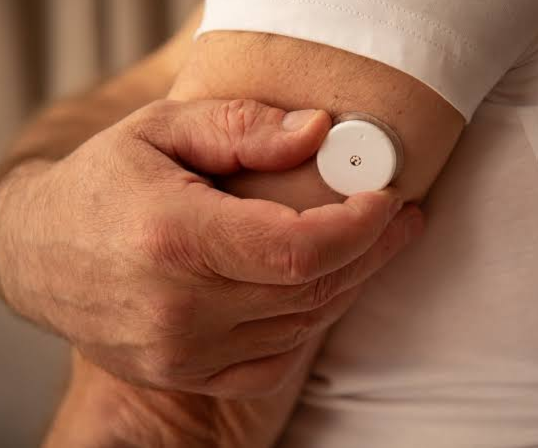
ابتكار غرسة تنظف الدم من الغلوكوز الفائض لدى مرضى السكري/ صورة تعبيرية
ابتكر علماء سويسريون وفرنسيون غرسة تزرع في الجسم وتراقب مستوى السكر في دم المريض، ما يساهم في تنظيم مستوى الغلوكوز وإنقاص الوزن.
وبحسب مجلة Scienceـ فإنه وفقاً للمبتكرين، اختبرت الغرسة بنجاح في تجارب أُجريت على فئران مصابة بالسكري.
يقول المبتكرون: "ينفق نظام الرعاية الصحية العالمي حالياً ما يقارب ثلاثة تريليونات دولار لمكافحة النوع الثاني من داء السكري، بالإضافة إلى السمنة واضطرابات التمثيل الغذائي المرتبطة به. لقد طورنا جهازاً لاسلكياً (غرسة) يزرع في الجسم، قادراً على الحفاظ على مستوى السكر في دم المريض من دون الحاجة إلى أدوية، كما يساهم في إنقاص الوزن".
"accurately measured several human biomarkers, including skin moisture, blood alcohol, blood lactate, and blood glucose.“ Cambridge scientists create a $10 chip that could put a medical lab on your wrist | ScienceDaily https://t.co/xXNa84XgRq
— Troy Roach (@Canal1point5) October 23, 2026
ويشير البروفيسور مارتن فوسينيغر من المعهد الفدرالي السويسري للتكنولوجيا وعلماء آخرون، إلى أنّ عدداً كبيراً من الأمراض المزمنة، بما فيها السكري والسمنة واضطرابات الغدة الدرقية المختلفة، تتطلب تناول الأنسولين باستمرار، وأدوية هرمونية وبروتينية أخرى. وتتفكك جزيئات هذه الأدوية بسرعة نسبية بعد تناولها، ما يسبب إزعاجاً كبيراً، ويجبر المرضى على تناول هذه الأدوية بانتظام.
ووفقاً للمبتكرين، تدفع هذه الاعتبارات علماء الأحياء والمهندسين إلى ابتكار أجهزة قابلة للزرع تطلق هذه الأدوية ببطء في الجسم أو تنتجها باستخدام مزارع الخلايا. ويعتبر الحفاظ على حيوية هذه "المصانع الحية"، مهمة بالغة التعقيد، لأنها تتطب حمايتها من هجمات الخلايا المناعية وقلة وصول الأكسجين إلى مزارع الخلايا.
🧬⚡ What if we could treat diabetes and obesity by electrically removing excess glucose—without insulin or glucose-lowering drugs? A groundbreaking study in Science introduces ECHO (Electrocatalytic Closed-Loop Health Optimization), a wirelessly powered implant that converts circulating glucose into gluconate, enabling glucose control while promoting fat utilization. The central discovery: An implantable electrocatalyst can directly regulate glucose availability and shift systemic energy metabolism without administering drugs. 🔬 1. Engineering an implantable glucose-removal system Researchers developed a catalyst consisting of platinum-decorated gold nanoclusters embedded in porous graphite felt (GF_Au@Pt). When electrically activated, the device catalyzes: Glucose → Gluconate → Predominantly renal clearance The system operates at: • 0.75 V • 10 mA • Wireless power transmission at 13.56 MHz Unlike conventional insulin therapy, which promotes glucose uptake and utilization, ECHO directly converts glucose into a metabolite that is largely excreted. ⚡ 2. Rapid glucose normalization in diabetic mice In obese diabetic db/db mice, wireless ECHO activation restored elevated blood glucose to the normal range within approximately 60–90 minutes. Repeated daily stimulation maintained glycemic control for six weeks. Importantly, no detectable hypoglycemia occurred under the tested conditions. 🧬 3. Glucose removal promotes fat utilization After six weeks of treatment, ECHO-treated mice exhibited: • Up to 10% body-weight reduction • Lower circulating triglycerides • Reduced insulin concentrations • Increased circulating free fatty acids • Increased β-hydroxybutyrate and acetoacetate Food intake remained unchanged. These results are consistent with a shift toward fat mobilization and ketone production. The proposed metabolic sequence is: Glucose oxidation → Reduced available metabolic energy → Increased lipid mobilization → Ketogenesis → Body-weight reduction 🔥 4. Autonomous closed-loop glucose control The researchers integrated ECHO with a commercial continuous glucose monitor (CGM) and smartphone-controlled wireless activation. The system: • Continuously monitored glucose. • Activated electrocatalysis when glucose exceeded a preset threshold. • Automatically stopped stimulation as glucose normalized. • Maintained glucose control over the CGM's 12-day operational lifespan. This demonstrates a feedback-controlled therapeutic approach without insulin delivery. 🧪 5. Preliminary biocompatibility and stability The implant maintained catalytic function during prolonged use. Investigators reported no detectable systemic gold or platinum accumulation, substantial inflammatory response, or glucose-lowering-associated behavioral abnormalities under the tested conditions. Blood pH remained stable, despite increased ketone production. 🎯 6. Implications for metabolic therapeutics ECHO introduces a fundamentally different treatment concept: Instead of pharmacologically modifying metabolic signaling, directly regulate the concentration of a circulating metabolic substrate. Potential future applications include: • Drug-sparing glucose management • Closed-loop metabolic implants • Electrically adjustable substrate clearance • Bioelectronic approaches to obesity-associated diabetes ⚠️ Important limitations This remains a preclinical proof of concept, primarily evaluated in db/db mice. Human efficacy and long-term implant safety have not been established. The physiological consequences of sustained glucose removal, altered substrate partitioning, and increased ketogenesis require further investigation. Additionally, reductions in circulating glucose and body weight do not independently establish long-term improvements in metabolic health. The broader implication This study extends bioelectronic medicine beyond electrical stimulation of nerves and tissues. Metabolism itself can potentially become an electronically controllable therapeutic target. The next generation of metabolic devices may combine continuous sensing, catalytic chemistry, and programmable feedback to regulate circulating metabolites directly. 📄 Maity D, Guha Ray P, Buchmann P, Charpin-El Hamri G, Fussenegger M. Wireless electrocatalytic closed-loop system for drug-free management of diabesity. Science. 2026;394(6822). Published October 22, 2026. DOI: https://t.co/1oiuC44F0B #BioelectronicMedicine #Diabetes #Obesity #Diabesity #Electrocatalysis #GlucoseMetabolism #MetabolicEngineering #ContinuousGlucoseMonitoring #ClosedLoopSystems #FatOxidation #Ketogenesis #PrecisionMedicine #MetabolicHealth
— 오창명 (@changmyung1981) October 24, 2026

1 تشرين ثاني 09:08

31 تشرين اول 10:41
وقد تمكن البروفيسور فوسنيغر والعلماء من حل هذه المشكلة بطريقة مختلفة تماماً - ابتكروا مادة تمتص الطاقة الكهربائية وتستخدمها لتحليل الغلوكوز في دم المريض. تتكون هذه المادة من مجموعة من جسيمات الذهب النانوية المطلية بالبلاتين مرسبة على ركيزة من الغرافيت والمغطاة بطبقة بوليمرية واقية. ويتم التحكم في هذا الهيكل بواسطة حاسوب يقيس مستوى الغلوكوز في مجرى الدم باستمرار.
وأظهر اختبار المادة المبتكرة على فئران مصابة بالنوع الأول من داء السكري والسمنة، أنه بعد ساعة من زرع الغرسة في اجسامها، عاد السكر إلى مستواه الطبيعي، وتحولت أجسامهم من استقلاب الغلوكوز إلى حرق الدهون. وأدّى ذلك أيضاً إلى فقدان الوزن وعودة استقلاب الدهون إلى طبيعته خلال ستة أسابيع.
ويعتقد العلماء بإمكانية استخدام أساليب مماثلة للتحكم في مستوى السكر في الدم لدى المصابين بالنوع الثاني من داء السكري.
السكري من النوع الأول: والذي كان يُعرَف في السابق بسكري اليافعين أو السكري المعتمد على الأنسولين، هو حالة مزمنة. ينتج فيها البنكرياس كمية صغيرة من الأنسولين. الأنسولين هو هرمون يستخدمه الجسم للسماح للسكر (الغلوكوز) بدخول الخلايا لإنتاج الطاقة.
وقد تؤدي عوامل مختلفة، منها الخصائص الوراثية وبعض الفيروسات، إلى الإصابة بداء السكري من النوع الأول. ورغم أنّ داء السكري من النوع الأول يظهر عادةً في الطفولة أو المراهقة، لكنه قد يصيب البالغين أيضاً.
وتحدث الإصابة بداء السكري من النوع الثاني، عندما لا يستطيع الجسم استخدام الأنسولين بشكل صحيح، ما يؤدي إلى تراكم السكر في الدم. وكان يُطلق عليه في السابق السكري البادئ في البالغين.
وبمرور الوقت، يمكن أن يؤدي ارتفاع مستويات السكر في الدم لدى مرضى السكري من النوع الثاني إلى تضرر العينين والكليتين والأعصاب والقلب. وتحدث الإصابة بهذه الحالة لأنّ البنكرياس لا يفرز ما يكفي من هرمون الأنسولين الذي يساعد في دخول السكر إلى الخلايا. كما تحدث الإصابة به بسبب ضعف استجابة الخلايا للأنسولين، ما يقلل كمية السكر التي تمتصها.
A groundbreaking $10 optical sensor that delivers the precision of laboratory equipment in a device small enough for wearable technology It identified foods, plastics, and medicines with 100% accuracy in tests and demonstrated the ability to monitor blood glucose, alcohol, and other health markers without invasive procedures ▶️ #AI #DigitalHealth https://t.co/Z6VbST7sKB
— Mack (@Analytics_699) October 24, 2026


