


"جراثيم خارقة" تقتل 50 ألف أميركي سنوياً وقد تودي بحياة 10 ملايين عالمياً بحلول 2050
تعاني الولايات الأميركية من تفشي "جراثيم خارقة" والتي تقتل نحو 50 ألف أميركي سنوياً، ومراكز السيطرة على الأمراض والوقاية منها تشير إلى أنها قد تودي بحياة 10 ملايين عالمياً بحلول 2050.

-
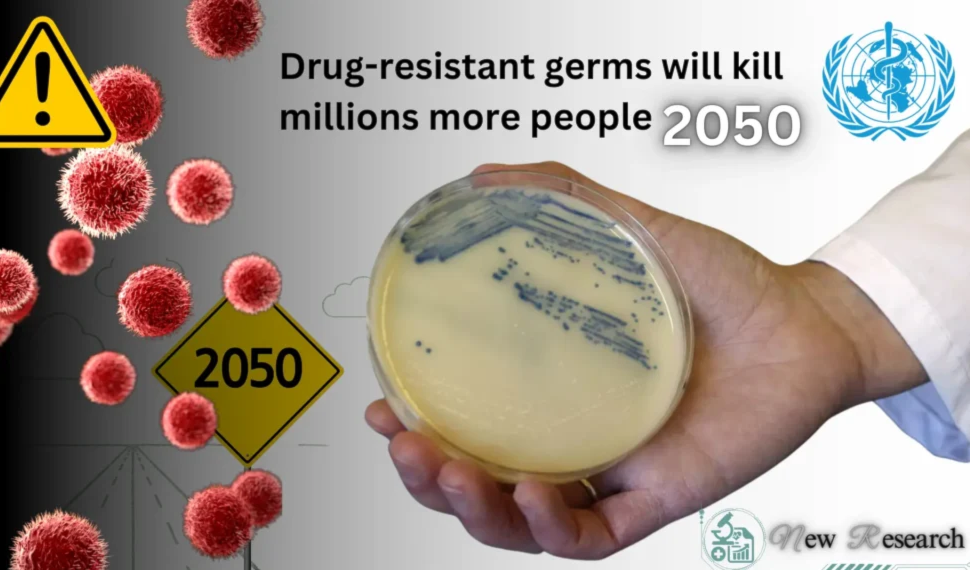
"جراثيم خارقة" تقتل 50 ألف أميركي سنوياً وقد تودي بحياة 10 ملايين عالمياً بحلول 2050
تشكل البكتيريا والفطريات المقاومة للأدوية تهديداً متزايداً للصحة العامة، وفقاً لتقرير جديد أصدرته مراكز السيطرة على الأمراض والوقاية منها اﻷميركية (CDC) .
وتشير التقديرات إلى أنّ ما يقارب 10 ملايين إصابة وأكثر من 50 ألف وفاة سنوياً في الولايات المتحدة تُعزى إلى هذه الجراثيم، وهي أرقام تتجاوز بشكل كبير تقديرات عام 2019.
US hospitals and nursing homes are breeding grounds for deadly superbugs – CDC Drug-resistant infections kill over 50,000 Americans annually, with 80% of deaths occurring in healthcare facilities, a report finds Published 29 Oct, 2026 (FULL) https://t.co/lw8Kwh2jZn More than four in five US deaths linked to drug-resistant infections involve pathogens commonly associated with hospitals and nursing homes, according to a new report from the Centers for Disease Control and Prevention (CDC). The agency’s Antimicrobial Resistance Threats Report released this week draws on data from 2023 and estimates that 19 types of drug-resistant bacteria and fungi cause 9.7 million infections and 50,800 deaths annually in the US. Seven bacterial threats commonly associated with hospitals and nursing homes accounted for more than 42,000 of those deaths, along with nearly $12 billion in healthcare costs. Antimicrobial resistance occurs when germs develop the ability to withstand drugs designed to kill them, making infections difficult or impossible to treat. Elderly people, those with weakened immune systems, and patients undergoing invasive medical procedures are particularly vulnerable. Among the pathogens classified as urgent threats is Candida auris, a potentially deadly fungus that can resist multiple medications and survive on surfaces in healthcare facilities. It primarily affects seriously ill patients and can cause dangerous bloodstream infections. A separate CDC study published in July found that reported cases of Candida auris more than doubled from 2022-2024, rising from 2,882 to 6,197. Most cases for which the type of medical facility was identified were detected in hospitals, including those that provide long-term treatment for seriously ill patients. The CDC noted that many healthcare-associated infections are preventable, but much of the progress in combating drug resistance was lost during the Covid-19 pandemic, when staffing shortages, overcrowding, and disruptions to infection-control practices contributed to a rise in infections. The warning comes as US hospitals face mounting financial and staffing pressures. A Harvard-led study published earlier this month found that 432 hospitals closed nationwide from 2010-2025, resulting in a net loss of 216 facilities and more than 24,000 beds. Nursing homes are also struggling with bed and staffing shortages. An investigation in September by KFF Health News found that declining capacity forced some patients to remain hospitalized longer because suitable care facilities were unavailable.
— rbg4lif 🟥⬛🟩 (@rbg4lif) October 29, 2026
تُعد هذه الأرقام مقلقة، خاصة عندما عندما يرى الأطباء في ممارستهم اليومية مرضى فعليين تطابق حالاتهم هذه الإحصاءات، حسب ما صرحت به ويندي أرمسترونغ، الطبيبة ورئيسة الجمعية الأميركية للأمراض المعدية.
وركزت النسخة الأخيرة من تقرير مراكز السيطرة على الأمراض على 19 نوعاً من الجراثيم، مقسمة إلى تهديدات عاجلة وخطيرة.
"On Tuesday, the CDC released the latest version of its Antimicrobial Resistance (AR) Threats Report. The agency estimates that roughly 10 million infections and more than 50,000 deaths in the United States are now caused by drug-resistant bacteria and fungi every year—estimates well above the previous figures released in 2019."
— Matthew Eppinette (@MatthewEppinett) October 29, 2026


وتقدر الإصابات المرتبطة بالرعاية الصحية بما يقارب 40 ألف وفاة، مع تكاليف تصل إلى 12 مليار دولار.
وبينما أظهرت حالات "العدوى بالمطثية العسيرة" (Clostridioides difficile) انخفاضاً منذ عام 2018، إلا أنّ الإصابات بفطر داء البقع البيضاء (Candida auris) تضاعفت عشرة أضعاف منذ عام 2019، مع وجود سلالات مقاومة لجميع مضادات الفطريات.
اقرأ أيضاً: السلطات الأميركية تعلن انتهاء تفشي داء "السيكلوسبورا"
Cases of a potentially deadly fungus have been detected in 23 states so far this year, according to data from the CDC. As of July 18, there have been 3,130 cases of Candida auris (C. auris) identified. https://t.co/dJcpbWJBNU https://t.co/Dj1tHgx6uQ
— ABC News (@ABC) August 5, 2026
ويعمل العلماء حالياً على تطوير استراتيجيات مثل اللقاحات لمواجهة هذه الجراثيم، لكن الحاجة مستمرة لإمدادات جديدة من مضادات الميكروبات.
ويعاني قطاع الأدوية من نقص في تطوير مضادات الحيوية الحديثة، ما أدى إلى انسحاب العديد من الشركات من هذا المجال بسبب ارتفاع تكاليف البحث.
كذلك تسعى منظمات ودول عدة لتحفيز الشركات على العودة لتطوير مضادات الميكروبات، حيث أنه من دون تقدم جذري في مواجهة هذه التحديات، قد تتسبب العدوى المقاومة للأدوية في وفيات عالمية تصل إلى 10 ملايين سنوياً بحلول عام 2050، ما سينعكس سلباً على مجالات متعددة من الرعاية الصحية.
From the report of U.S. CDC published Tuesday, "drug-resistant germs are a growing threat to Americans.. Drug-resistant germs, including bacteria and fungi, cause an estimated 9.7 million infections and 50,800 deaths each year in the U.S.. Four germs fall into the urgent category, the [CDC's] highest level of concern. The first is Candida auris, a fungus that can cause anything from mild skin infections to severe, and potentially life-threatening, bloodstream infections. Reported Candida auris cases jumped more than 50% from 2022 to 2023.. The fungus primarily affects patients in hospitals and nursing homes who are already seriously ill, and can spread through medical equipment such as breathing tubes or catheters.. People go to the hospital to get better, and sometimes they may acquire from the hospital environment a more resistant bacteria than they came in with.." What am I supposed to do? 'Drug-resistant germs are 'growing threat' to US, causing more than 50,000 deaths annually: CDC' https://t.co/KCQjNWnrGw
— Hiroshi Yasuda (保田浩志) (@Yash25571056) October 28, 2026


